
The 2025 National Veteran Suicide Prevention Annual Report confirms a truth we can no longer afford to normalize: veteran suicide remains at epidemic levels.
Behind every number is a life shaped by service, a family changed forever, and a nation that still has work to do.
This moment demands clarity, not comfort.
Good intentions are not enough.
Awareness alone does not save lives.
What saves lives is action grounded in evidence—treatments proven to reduce suicide risk, delivered at the right time, in ways veterans can access and trust.
The challenge before us is not discovery; it is scale, speed, and commitment. At Stop Soldier Suicide, we believe evidence-based treatment saves lives. We accomplish this by using data to identify risk earlier, tailoring clinical care to the individual, and closing the gaps between systems that too often leave veterans navigating crisis alone. This is not about replacing existing efforts; it is about strengthening them with rigor and accountability.
While evidence-based clinical care saves lives every day, it will never be enough on its own to end this crisis. To truly change outcomes, we must identify suicide risk earlier—before a veteran reaches a point of crisis. That is why Stop Soldier Suicide is investing in and advancing the Black Box Project: a groundbreaking data initiative designed to transform how suicide risk is detected, understood, and prevented at scale.
The stakes could not be higher.
Every delay costs lives. If we align urgency with evidence and compassion with discipline, we can build a future where service does not come with a lifetime sentence of suffering in silence—and where building thriving lives is not the exception, but the expectation.
______________________
As our CEO, Keith Hotle, underscored in his statement, behind every number is a life shaped by service, a family changed forever, and a nation still grappling with how to respond—not just with concern, but with effectiveness.
"This moment demands clarity, not comfort."
For more than 15 years, Stop Soldier Suicide has worked alongside veterans and service members at their most vulnerable moments, delivering evidence-based, suicide-specific care through ROGER Wellness Service. This report indicates that nearly ⅔ of veterans who died by suicide were not within the care of the VHA. That means it is imperative that other organizations stand ready to support veterans in their most difficult moments.
ROGER exists for one reason: to save lives right now. It provides direct, one-to-one clinical care when risk is present, meeting veterans where they are with treatments proven to reduce suicide risk. We provide this at no cost to the veteran or service member because we know that all barriers to care must be removed in order to save lives.
Clinical work is essential—and it is not going away.
But the data in this report also make something else clear: we cannot treat our way out of this crisis alone.
Awareness alone does not save lives. Good intentions are not enough. If we are serious about changing outcomes, we must get better—much better—at identifying risk earlier, before crisis becomes catastrophe.
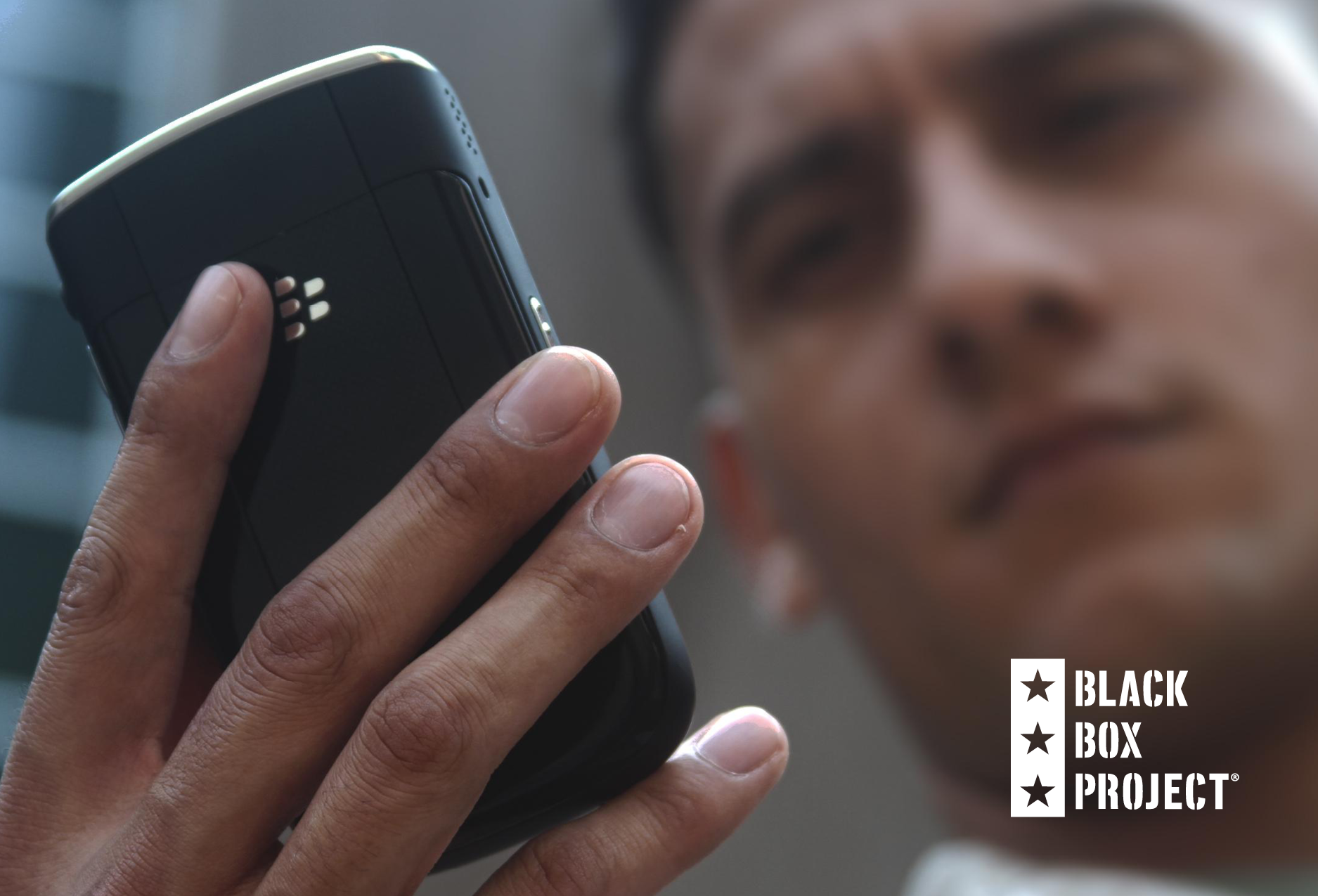
That is why Stop Soldier Suicide is advancing prevention through the Black Box Project®, a groundbreaking data initiative designed to uncover what has long been invisible in suicide prevention. By partnering with suicide loss surviving families who choose to loan the digital devices of their loved ones, Black Box Project is helping researchers and data scientists identify objective, measurable signals of suicide risk—patterns that were previously hidden from clinicians, loved ones, and systems of care.
This is how prevention evolves from reactive to precise.
ROGER Wellness Service saves lives one person at a time, delivering care when it matters most. Black Box Project is how we will save lives at scale—by using data to identify risk sooner, tailor interventions more effectively, and close the gaps that too often leave veterans navigating crisis alone.
This is not about replacing existing efforts. It is about strengthening them with rigor, accountability, and evidence. It is about aligning urgency with discipline, compassion with data, and care with prevention. It is about scale, speed, and commitment.
The stakes could not be higher. Every delay costs lives.
If we are willing to act—not just feel—we can build a future where service does not come with a lifetime sentence of suffering in silence, and where thriving after service is not the exception, but the expectation.
